seolounge

If you work in the B2B space, you already know that closing a deal rarely happens overnight. Buyers often take weeks or even months to make a decision, which means staying connected with potential customers throughout the journey is essential. That’s where effective B2B email marketing comes in.
By following the right B2B email marketing strategies, you can nurture leads with valuable content, build trust over time, and keep your brand top of mind until they’re ready to buy.
Email remains one of the most reliable and cost-effective marketing channels for managing long sales cycles. It helps you maintain consistent communication, strengthen relationships, and guide prospects from their first interaction all the way to becoming loyal customers.
B2B Email Marketing Tips
B2B Email Marketing Tips: A Practical Guide to Building Relationships That Drive Results
Email marketing remains one of the most effective ways for B2B companies to connect with prospects, nurture leads, and build long-term customer relationships. Unlike B2C marketing, where purchasing decisions can happen quickly, B2B buyers often take weeks or even months to evaluate solutions, compare vendors, and involve multiple stakeholders before making a decision.
That makes email marketing much more than a promotional tool. It becomes a communication channel that educates, builds trust, and keeps your brand top of mind throughout the buyer’s journey.
If your emails are only focused on selling, you’re likely missing opportunities to engage potential customers. The best B2B email strategies focus on delivering value first and selling second.
Understand Your Audience Before Writing a Single Email
Every successful email campaign starts with knowing who you’re talking to.
Different people within the same company have different priorities. A CEO might care about business growth and ROI, while an IT manager focuses on security, implementation, and technical compatibility. Sending identical emails to both rarely produces strong results.
Before creating campaigns, identify:
- Industry
- Company size
- Job role
- Business challenges
- Purchase stage
- Decision-making authority
The better you understand your audience, the easier it becomes to create messages that feel relevant rather than generic.
Build a High-Quality Email List
A smaller list of interested subscribers consistently outperforms a massive list of people who never engage. Focus on attracting subscribers through:
- Website forms
- Downloadable guides
- Webinars
- Industry reports
- Product demos
- Newsletter subscriptions
- Events and conferences
Avoid buying email lists. Purchased contacts often have little interest in your business, resulting in poor engagement, higher unsubscribe rates, and potential compliance issues. A permission-based list creates stronger relationships and better long-term results.
Segment Your Audience
Not every subscriber should receive the same message. Segmentation allows you to send highly relevant emails based on subscriber characteristics. Common segmentation includes:
- Industry
- Geographic location
- Company size
- Customer vs. prospect
- Product interest
- Previous purchases
- Website behavior
- Email engagement
For example, someone who downloaded a cybersecurity guide likely wants different content than someone who requested a pricing quote. Relevant emails naturally generate higher open rates, clicks, and conversions.
Write Subject Lines That Spark Curiosity
Your subject line determines whether your email gets opened or ignored. Effective subject lines are:
- Short
- Clear
- Relevant
- Benefit-driven
Examples:
- 5 Ways to Reduce IT Costs
- Is Your Sales Team Losing Leads?
- A Better Way to Manage Projects
- New Industry Report for Manufacturing Leaders
- Three Strategies Growing SaaS Companies Use
Avoid excessive capitalization, misleading promises, or spam-trigger words that reduce credibility.
Personalize Beyond First Names
Adding someone’s first name is helpful, but meaningful personalization goes much further. Reference information like:
- Their industry
- Company challenges
- Recent content downloads
- Previous conversations
- Products viewed
- Customer lifecycle stage
Instead of saying:
“Hi John,”
Try something like:
“Since your team recently explored our cloud migration resources, we thought you’d find this implementation checklist useful.”
That feels far more relevant and helpful.
Focus on Solving Problems
Business buyers aren’t looking for promotional emails, they’re looking for solutions.
Every email should answer questions like:
- What problem does this solve?
- Why does this matter?
- What value will the reader gain?
Educational content performs exceptionally well.
Share:
- Industry trends
- Practical tips
- Research findings
- Best practices
- Customer success stories
- Expert insights
- Step-by-step guides
When recipients consistently learn something useful from your emails, they become much more receptive when it’s time to discuss your product or service.
Keep Email Copy Clear and Easy to Read
Busy professionals often skim emails before deciding whether to continue reading. Improve readability by:
- Writing short paragraphs
- Using bullet points
- Adding clear headings
- Avoiding unnecessary jargon
- Keeping sentences concise
Your message should communicate value within the first few seconds. If readers struggle to understand your email, they’ll simply move on.
Include One Clear Call-to-Action
Every email should have a single primary objective. Examples include:
- Download the guide
- Schedule a demo
- Register for a webinar
- Read the full article
- Start a free trial
- Contact our team
Avoid overwhelming readers with multiple competing buttons. A focused CTA improves decision-making and increases conversion rates.
Use Automation to Nurture Leads
Marketing automation helps deliver the right message at the right time without requiring manual effort for every interaction. Useful automated workflows include:
- Welcome email sequences
- Lead nurturing campaigns
- Product education series
- Free trial onboarding
- Event follow-ups
- Customer onboarding
- Re-engagement campaigns
Automation keeps communication timely while ensuring prospects continue moving through the sales funnel.
Share Valuable Content Consistently
One of the biggest mistakes businesses make is emailing only when they want to sell something. Instead, establish yourself as a trusted resource by sharing:
- Industry news
- Research reports
- Case studies
- Educational blogs
- Podcasts
- Videos
- Templates
- Checklists
- Success stories
A healthy balance between educational and promotional content helps build credibility over time.
Optimize for Mobile Devices
A significant portion of business emails is opened on smartphones. Make sure your emails:
- Use responsive designs
- Feature readable font sizes
- Include easily tappable buttons
- Load quickly
- Keep subject lines concise
- Avoid oversized images
A poor mobile experience can reduce engagement, even if your content is valuable.
Build Trust Through Social Proof
Decision-makers prefer vendors with proven success. Strengthen credibility by including:
- Customer testimonials
- Success stories
- Client logos
- Awards
- Industry certifications
- Performance statistics
- Case study highlights
Showing real business outcomes reassures potential buyers that your solution delivers measurable results.
Test and Improve Regularly
Successful email marketing relies on continuous optimization. Experiment with:
- Subject lines
- Email length
- CTA wording
- Button colors
- Images
- Send times
- Personalization
- Layouts
Small improvements can significantly increase engagement over time. Let data not assumptions, guide your decisions.
Monitor the Right Metrics
Tracking performance helps you understand what’s working and where adjustments are needed. Important metrics include:
- Open rate
- Click-through rate (CTR)
- Conversion rate
- Bounce rate
- Unsubscribe rate
- Reply rate
- Revenue generated
- Lead quality
Instead of focusing on a single metric, evaluate overall campaign performance to gain a complete picture.
Maintain a Consistent Sending Schedule
Sending emails irregularly can make subscribers forget your brand, while emailing too often may lead to unsubscribes. Choose a schedule your audience can expect, whether it’s:
- Weekly
- Biweekly
- Monthly
Consistency builds familiarity and keeps your company visible without overwhelming subscribers.
Keep Your Email List Clean
Inactive email addresses affect deliverability and reporting accuracy. Regularly remove:
- Invalid email addresses
- Hard bounces
- Duplicate contacts
- Long-term inactive subscribers
You can also run re-engagement campaigns before removing inactive contacts, giving them one final opportunity to stay subscribed. A healthy email list improves sender reputation and campaign performance.
Align Email Marketing with the Sales Team
Marketing and sales should work together rather than independently. Share insights such as:
- Highly engaged leads
- Content downloads
- Webinar attendance
- Demo requests
- Product page visits
This information helps sales teams approach prospects with better context and more meaningful conversations.
Stay Compliant with Email Regulations
Respecting subscriber privacy isn’t just a legal requirement, it’s essential for building trust. Best practices include:
- Obtaining proper consent
- Providing an unsubscribe option
- Being transparent about data usage
- Honoring opt-out requests promptly
- Maintaining accurate subscriber records
Compliance supports a positive sender reputation and strengthens customer confidence.
Common B2B Email Marketing Mistakes to Avoid
Even experienced marketers can make mistakes that limit campaign performance. Some of the most common include:
- Sending overly promotional emails
- Ignoring audience segmentation
- Writing vague subject lines
- Including multiple CTAs
- Sending inconsistent campaigns
- Neglecting mobile optimization
- Failing to test campaigns
- Not cleaning email lists
- Overlooking analytics
- Forgetting to personalize content
Recognizing these pitfalls early helps create more effective campaigns.
B2B email marketing isn’t about sending the highest number of emails, it’s about sending the right message to the right person at the right time.
When you focus on understanding your audience, providing valuable content, personalizing communication, and continuously improving through testing and analytics, email becomes much more than a marketing channel. It becomes a reliable way to build trust, nurture relationships, and support long-term business growth.
The companies that see the greatest success with B2B email marketing are those that consistently prioritize relevance and customer value over aggressive sales tactics. By treating every email as an opportunity to educate and help rather than simply promote, you can create stronger connections with prospects and customers while achieving better engagement, higher conversions, and sustainable business results.
Based on the interactions of your leads, you can automate personalized messaging. We will help you understand the process.
- What is B2B Email Marketing?
- 5 ways to build a B2B list
- Three types of B2B email and when to use them
- 4 tips for writing B2B emails
- 5 ways to automate your B2B Email Marketing
- 16 best examples of B2B email marketing
- 19 B2B Email Subject Line Examples
We are here!
What is B2B Email Marketing and How Can it Help You?
B2B email marketing is the practice of sending targeted email campaigns to businesses and decision-makers instead of individual consumers. It helps companies build relationships, nurture prospects, and communicate with potential clients throughout the buying journey.
Unlike B2C marketing, B2B email marketing typically involves a longer sales cycle, as business purchases often require careful evaluation and approval from multiple stakeholders. As a result, converting prospects into customers takes time, consistent communication, and a strategic approach.
An effective B2B lead generation process, combined with automated email marketing, can simplify this journey. By delivering relevant content at the right time, businesses can nurture leads, build trust, and increase their chances of turning prospects into paying customers.
Five Effective Ways to Build a High-Quality B2B Email List
One of the biggest challenges for B2B marketers is attracting qualified prospects and turning them into loyal customers. While there are many lead generation channels available, email marketing remains one of the most effective for nurturing relationships and driving conversions.
The key to successful email marketing starts with building a strong, permission-based email list. Here are five proven strategies to grow your B2B email database.
Offer a Free Consultation
Providing a free consultation is an excellent way to attract high-quality leads who are genuinely interested in your products or services.
A consultation gives potential customers the opportunity to connect with your team, ask questions, and understand how your business can solve their challenges. It also adds a personal touch to your lead generation efforts. During these sessions, you can:
- Learn about your prospects’ goals and pain points.
- Build trust and establish your expertise.
- Share relevant case studies and success stories.
- Introduce additional products or services that may benefit them.
Free consultations work especially well for high-value B2B services, where buyers need confidence before making a purchasing decision. They also provide valuable insights that can help improve your future marketing campaigns, webinars, and content.
Host Educational Webinars
Webinars are one of the most effective ways to grow your B2B email list while positioning your brand as an industry expert.
Instead of focusing on sales, create webinars that educate your audience about industry trends, common challenges, or practical solutions. Valuable content encourages professionals to register using their email addresses and increases trust in your brand. Educational webinars help you:
- Generate qualified leads.
- Showcase your expertise.
- Build credibility with potential customers.
- Engage prospects through live interaction.
Research from Convince & Convert found that 67% of B2B marketers use webinars as a lead generation strategy, making them a powerful addition to your email marketing efforts.
Offer Exclusive Email-Only Content
People are more likely to subscribe when they receive something valuable in return. Promote exclusive content on your website that’s available only to email subscribers. This gives visitors a compelling reason to join your mailing list while making them feel like part of an exclusive community. Exclusive email content can include:
- Industry insights
- Expert tips
- Case studies
- Templates and checklists
- Product updates
- Special offers
This strategy is especially effective for SaaS businesses, where ongoing educational content helps nurture leads and guides them toward becoming paying customers.
Provide a Free Trial
A free trial allows potential customers to experience your product before making a purchase decision. Today’s B2B buyers prefer to explore products on their own rather than immediately speaking with a sales representative. Offering a free trial gives prospects the opportunity to understand your product’s value while allowing you to collect their contact information for future communication.
Once someone signs up, you can nurture them with onboarding emails, product tips, and helpful resources that encourage them to become paying customers. According to Forrester, around three-quarters of B2B buyers prefer to learn about a product independently rather than through a sales representative. A well-designed free trial supports this self-service buying experience while strengthening your lead generation strategy.
Be Transparent with Your Subscribers
Trust is essential in B2B email marketing, and transparency plays a major role in building that trust. When someone subscribes to your email list, clearly explain what they can expect. Let them know the type of content you’ll send, how often they’ll hear from you, and how you’ll use their information. A welcome or confirmation email is the perfect place to:
- Set expectations about future emails.
- Introduce your newsletter.
- Share your privacy policy.
- Explain the benefits of staying subscribed.
Your subscribers understand that businesses have commercial goals. As long as you’re honest, provide genuine value, and respect their inbox, they’re far more likely to stay engaged with your emails and eventually become customers.
Three Types of B2B Emails and When to Use Them
B2B email marketing isn’t just about sending newsletters. Different types of emails serve different purposes throughout the customer journey. Understanding when to use each type can help you improve engagement, build stronger relationships, and increase conversions.
Here are the three most common types of B2B emails and the best time to use them.
Transactional Emails
Transactional emails are automatically sent when a user takes a specific action on your website or platform. Since they’re triggered by user activity, these emails are highly relevant and usually achieve much higher open rates than standard marketing emails. Common examples of transactional emails include:
- Welcome emails after signing up
- Email verification and confirmation messages
- Order or purchase confirmations
- Registration confirmation emails
- Thank-you emails after downloading a resource or submitting a form
These emails are delivered immediately after a user completes an action, making them timely and valuable. Besides providing important information, transactional emails also help build trust and create a positive first impression.
Manually sending these emails isn’t practical as your business grows. That’s why most businesses use email automation tools to trigger transactional emails instantly, ensuring every lead receives the right message at the right time without any manual effort.
Bulk Emails
Bulk emails are marketing campaigns sent to a large group of subscribers at the same time. They’re ideal for sharing updates, promoting products or services, and keeping your audience informed. Bulk emails are commonly used for:
- Product or service promotions
- New product launches
- Company announcements
- Newsletters and content updates
- Feature releases
- Policy or service updates
- Special offers and seasonal campaigns
Although these emails are sent to multiple recipients, they shouldn’t feel generic. Segmenting your audience based on factors like industry, business size, interests, or previous interactions allows you to personalize the content and make it more relevant.
For example, if your company offers web design services, you can create separate email campaigns for healthcare businesses, eCommerce stores, real estate agencies, or educational institutions. Personalized campaigns typically generate better engagement and higher conversion rates than sending the same message to everyone.
Re-engagement Emails
Over time, some subscribers naturally become inactive. They may stop opening your emails or lose interest in your content. Re-engagement campaigns are designed to reconnect with these inactive contacts before removing them from your email list. A successful re-engagement email can:
- Remind subscribers about your brand
- Share valuable new content or resources
- Offer exclusive discounts or incentives
- Ask for feedback or preferences
- Encourage subscribers to update their email settings
The goal is to remind your audience why they subscribed in the first place and encourage them to interact with your emails again.
Instead of sending just one re-engagement email, create a short automated sequence that follows up over time if the subscriber doesn’t respond. If they remain inactive after several attempts, it may be best to remove them from your list to maintain strong email deliverability and improve overall campaign performance..
An effective re-engagement email should include:
- You can include a promotion or discount.
- Keep it short and to-the-point
- Ask the recipient for an action
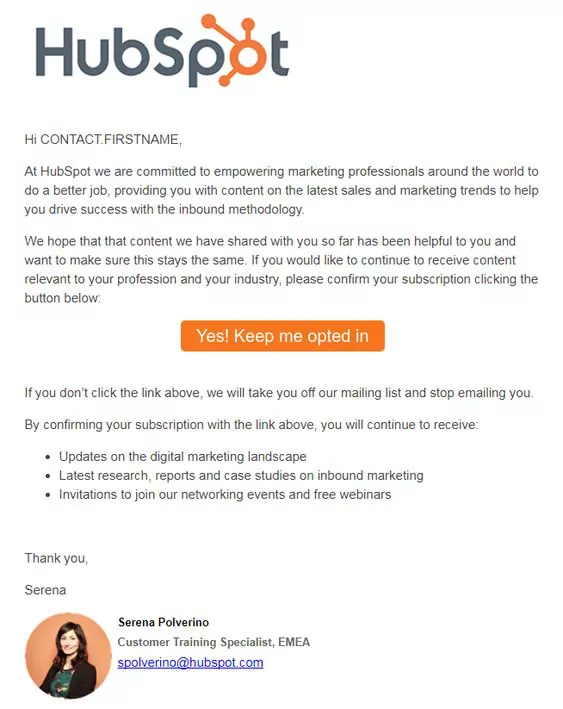
Last note: Re-engagement campaigns are less expensive than buying new leads to win back inactive leads.
4 Tips for Writing Effective B2B Emails
B2B email marketing is one of the best ways to build relationships with prospects and customers. However, simply sending emails isn’t enough, you need to make every message valuable, engaging, and action-oriented.
Here are four practical tips to help you write B2B emails that get opened, read, and acted upon.
Keep Your Message Clear and Concise
Business professionals receive dozens of emails every day, so they don’t have time to read lengthy messages filled with unnecessary details.
Get straight to the point and focus on the information that matters most. Every B2B email should clearly explain:
- What product or service you’re offering
- The key benefits it provides
- Why it matters to the recipient
- What they should do next
A clear and concise email is easier to read, keeps your audience engaged, and improves the chances of getting a response.
Write Like a Human, Not a Robot
Even in professional communication, people prefer talking to people, not generic businesses.
Use a conversational tone that feels natural while maintaining professionalism. Avoid overly formal language, corporate jargon, and long blocks of text that make emails difficult to read. To make your emails feel more personal:
- Write in an active voice.
- Keep sentences short and easy to understand.
- Address the reader directly.
- Add a real person’s name and contact details in your email signature.
A friendly, authentic tone helps build trust and makes your brand more approachable.
Use the PAS Copywriting Framework
One of the most effective copywriting techniques for B2B emails is the PAS Framework, which stands for:
- Problem: Identify the challenge your audience is facing.
- Agitate: Highlight the impact of that problem and why it needs attention.
- Solution: Present your product or service as the answer.
This simple structure helps readers relate to the problem before introducing your solution. As a result, your emails become more persuasive, capture attention more effectively, and encourage recipients to take the next step.
Include a Clear Call to Action (CTA)
Every B2B email should have one primary goal. Don’t leave your readers wondering what to do next. Whether you want them to schedule a demo, download a guide, request a quote, or visit your website, make the next step clear and easy to follow. Effective calls to action include:
- Schedule a free consultation
- Book a product demo
- Download the complete guide
- Request a custom quote
- Learn more on our website
Avoid including multiple competing CTAs in a single email. A focused and specific call to action increases the likelihood that recipients will take the action you want, leading to better engagement and higher conversion rates.
Five Ways to Automate B2B Email Marketing
Email automation helps B2B businesses save time, nurture leads consistently, and deliver the right message at the right stage of the buyer’s journey. Instead of manually sending every email, automation allows you to create personalized experiences that keep prospects engaged while improving efficiency.
Here are five effective ways to automate your B2B email marketing.
Automate Welcome Emails
A welcome email is often the first interaction a new subscriber has with your business. Set up an automated welcome sequence that is sent immediately after someone subscribes, downloads a resource, or creates an account.
Use this opportunity to:
- Introduce your company.
- Share your products or services.
- Provide helpful resources.
- Set expectations for future emails.
A strong welcome sequence helps build trust and creates a positive first impression.
Create Lead Nurturing Workflows
Not every prospect is ready to make a purchase immediately. Automated lead nurturing campaigns allow you to stay connected by sending valuable content over time. These workflows can include:
- Educational blog posts
- Case studies
- Industry insights
- Customer success stories
- Product demonstrations
By consistently providing relevant information, you keep your brand top of mind and gradually move leads closer to making a buying decision.
Trigger Emails Based on User Behaviour
Behavior-based automation sends emails when prospects perform specific actions on your website or within your product. Examples include:
- Visiting a pricing page
- Downloading an eBook
- Registering for a webinar
- Starting a free trial
- Abandoning a signup process
Because these emails are based on user activity, they are highly relevant and typically generate better engagement and conversion rates.
Automate Follow-Up Emails
Following up manually with every lead can quickly become overwhelming. Automated follow-up sequences ensure that no opportunity is missed. You can automatically send follow-up emails after:
- A consultation request
- A webinar attendance
- A product demo
- A sales enquiry
- A quote request
Timely follow-ups keep conversations moving and increase the likelihood of converting prospects into customers.
Re-engage Inactive Subscribers Automatically
Over time, some subscribers stop opening or interacting with your emails. Instead of letting your email list become inactive, create automated re-engagement campaigns. These emails can:
- Remind subscribers about your services.
- Share new content or product updates.
- Offer exclusive promotions.
- Ask whether they still want to receive your emails.
If subscribers remain inactive after several attempts, you can automatically remove them from your mailing list. This helps maintain a healthy email database, improves email deliverability, and ensures your campaigns reach an engaged audience.
By automating these key email marketing activities, B2B businesses can deliver more personalized communication, improve lead nurturing, and increase conversions while reducing the time spent on repetitive tasks.
Conclusion
B2B email marketing continues to be one of the most effective ways to generate leads, nurture prospects, and build long-term business relationships. As we move through 2026, success depends on more than simply sending emails—it requires delivering relevant, personalized, and timely messages that provide real value to your audience.
From building a quality email list and choosing the right email types to writing compelling subject lines, engaging headlines, and clear calls to action, every element plays a role in improving open rates, click-through rates, and conversions. Combining these best practices with email automation and audience segmentation allows businesses to communicate more efficiently while creating a better customer experience.
Use the tips, examples, and headline-writing techniques shared in this guide to refine your B2B email marketing strategy. Test different approaches, analyze your campaign performance, and continuously optimize your emails based on audience behavior. With the right strategy in place, B2B email marketing can become a powerful channel for driving qualified leads, strengthening customer relationships, and achieving sustainable business growth.